Medical tourism works best when it feels organized, transparent, and personal. For patients in Southern California and across the United States, Tijuana offers something unusually practical: access to experienced medical teams just minutes from the San Diego border, with concierge support that removes most of the uncertainty from planning care in another country.
- Tijuana sits 25 minutes from downtown San Diego, which makes private ground transport and short flight legs realistic.
- Cost matters, but board-certified specialists, clean facilities, bilingual care, and clear pricing matter more.
- Your travel window should be planned around recovery, not just the procedure day itself.
- A real concierge program coordinates pickup, the border, the clinic, recovery support, and follow-up after you go home.
Why patients choose Tijuana
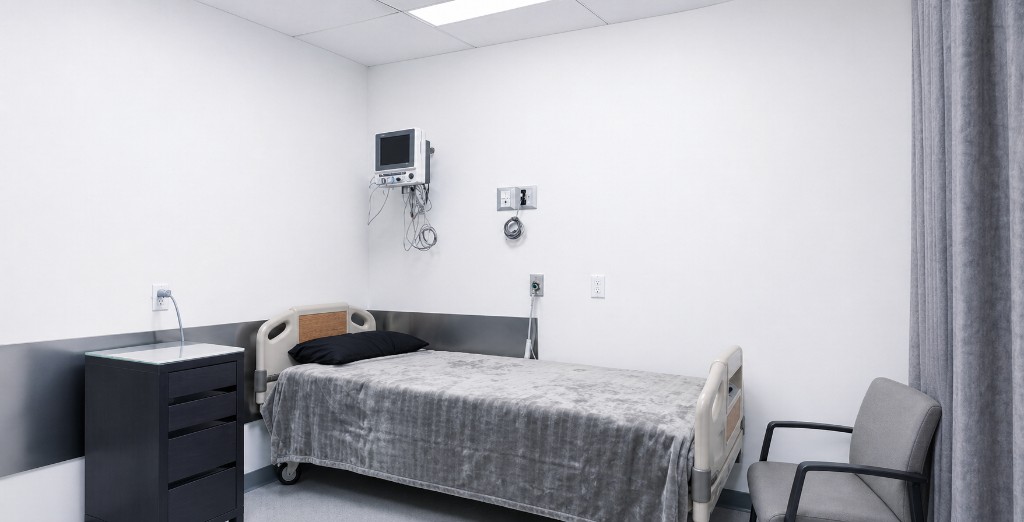
Tijuana is one of the most accessible medical destinations for U.S. patients because it sits directly across from San Diego. That proximity matters. It can shorten flight time, make private ground transportation realistic, and let patients stay close to home while still receiving care at a lower overall cost than many U.S. options.
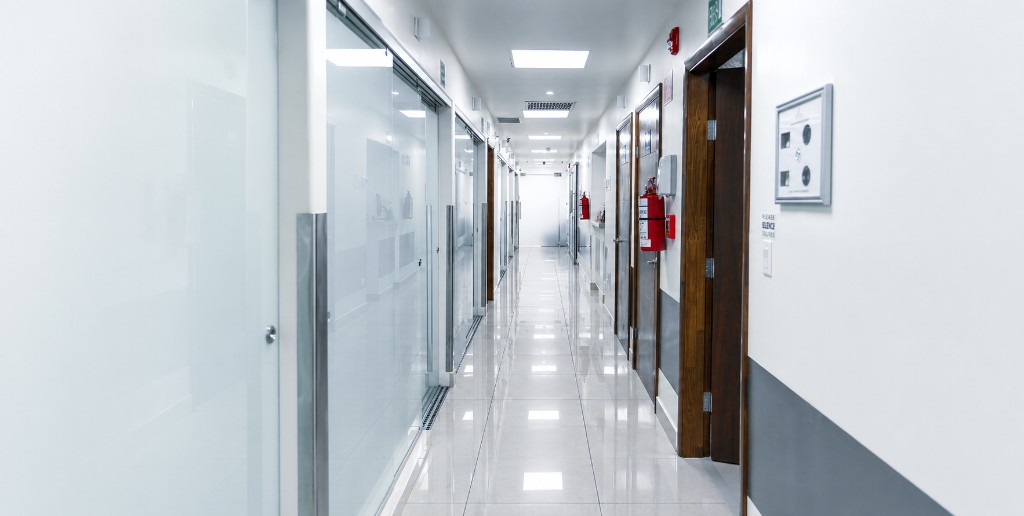
Cost is part of the decision, but it should never be the whole decision. Patients also look for board-certified specialists, clean facilities, bilingual communication, clear pricing, and a team that helps them understand the full experience before they commit.

Step 1: Start with a thoughtful consultation
The process begins with a conversation about your goals, medical history, timeline, and any concerns you already have. For cosmetic surgery, that may include photos, prior surgery history, weight stability, and recovery support at home. For dentistry, it may include X-rays, missing teeth, bite concerns, and smile goals. For regenerative medicine or bariatric surgery, the medical review is different, but the principle is the same: the plan should fit the patient, not the other way around.
Your coordinator helps gather the right information before your case is reviewed. That keeps the consultation focused and helps the team recommend next steps with more confidence.
A first consultation should leave you with more clarity, not more sales pressure.
Step 2: Plan travel around recovery, not just the procedure
The biggest mistake patients make is thinking only about the procedure day. The better question is: what does the full recovery window require?
- How long should you stay near the clinic before returning home?
- Will you need a follow-up visit before crossing back?
- Do you need a companion or recovery support?
- When can you safely fly, drive, return to work, or resume exercise?
Your exact answers depend on your procedure and health profile. A dental veneer visit is not planned like a tummy tuck. Stem cell therapy is not planned like bariatric surgery. Good concierge coordination starts by respecting those differences.

Step 3: Travel day, the border, and the clinic
For many patients, the easiest route is to arrive in San Diego and use coordinated private ground transportation into Tijuana. Your coordinator confirms timing, location, and what to bring. The goal is to make the border crossing feel like part of a planned itinerary rather than a separate problem you have to solve on your own.
Bring your identification, any required medical records, medications in their original packaging, comfortable clothing, payment documentation, and any procedure-specific items your coordinator recommends. Bilingual support is especially important on procedure day. Even when a medical team speaks English, patients often feel calmer when there is someone responsible for making sure instructions, timing, and next steps are clear.
Step 4: Recovery, follow-up, and going home
Recovery is where planning becomes most visible. Some patients need only a short visit. Others need several days of rest, follow-up checks, compression garments, medication timing, help with drains, or careful movement restrictions. The right plan should be specific to your procedure and your body.
Before you return home, make sure you understand your medication schedule, warning signs, follow-up appointment timing, activity restrictions, and who to contact if a question comes up. Medical tourism should not end at the border. Post-procedure follow-up helps patients feel supported during the early healing period and gives the team a chance to answer questions as swelling, soreness, or routine recovery milestones appear.
Medical tourism in Tijuana can be a smart, accessible option when the medical standards are strong and the logistics are handled carefully. The best experience is not just about crossing the border for a lower price. It is about knowing who is guiding you, what happens next, and how your recovery will be supported when you go home.