Rhinoplasty is one of the most personal procedures in cosmetic surgery. Millimeters change the entire result. The good news is that careful planning protects the result you came for. The better news is that healing is mostly quiet -- if you respect the timeline.
- Rhinoplasty planning starts with photos, breathing review, and a frank conversation about goals.
- Most external swelling is gone in 2-3 weeks. Subtle refinement continues for 6-12 months.
- The splint is not optional. Neither is the follow-up before you fly home.
- Timing your flight too early is the most common patient mistake.
Planning: photos, breathing, and goals
A great rhinoplasty consultation looks at your nose from every angle, asks how you breathe, and listens carefully to the result you want. Some patients want a refined dorsum. Some want tip work. Some need functional correction along with the cosmetic change. The plan should reflect all of that, not just one view in a single photo.
Strong programs use morphing, side-by-side comparisons, and clear language. They will also tell you what is not realistic, and why. That is not bad news -- that is your protection.
The procedure day, briefly
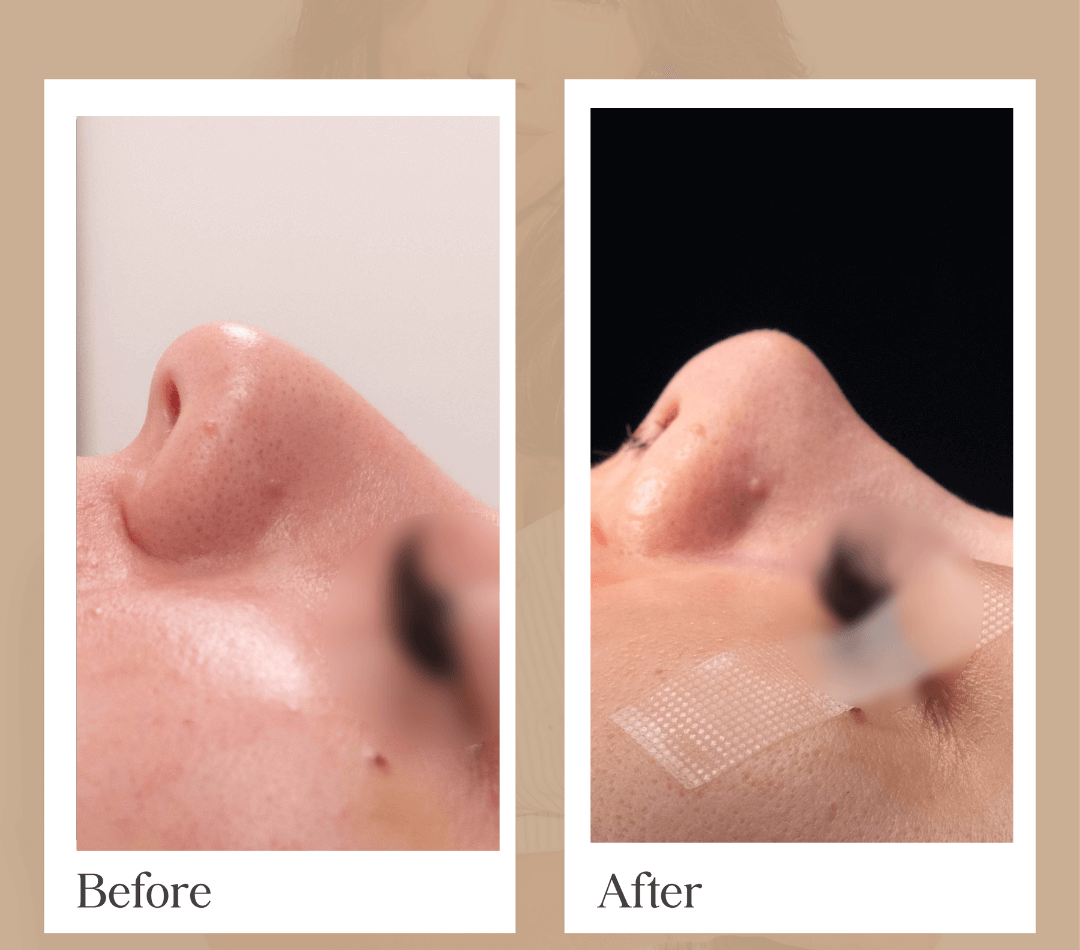
Rhinoplasty is performed under anesthesia and typically takes a few hours. You will wake up with a splint, internal support, and gentle dressing. The first afternoon is sleep, hydration, and quiet.
Healing: the timeline most patients underestimate
- Days 1-3: swelling and bruising peak. Sleep elevated. No bending, lifting, or straining.
- Day 7: splint and most external dressings come off at follow-up.
- Weeks 2-3: visible bruising fades. Most patients can return to work and gentle daily life.
- Months 3-6: external swelling continues to soften. The tip is the slowest part.
- Months 6-12: the final refined result emerges.
If you are evaluating your nose at week one, you are not looking at the result. You are looking at the swelling.
Travel timing and the flight home
The most common rhinoplasty mistake is flying home too early. Pressure changes, swelling, and limited mobility do not pair well with international travel during the first week. A strong program will plan your trip so that the in-person follow-up after splint removal happens before you fly, not after.
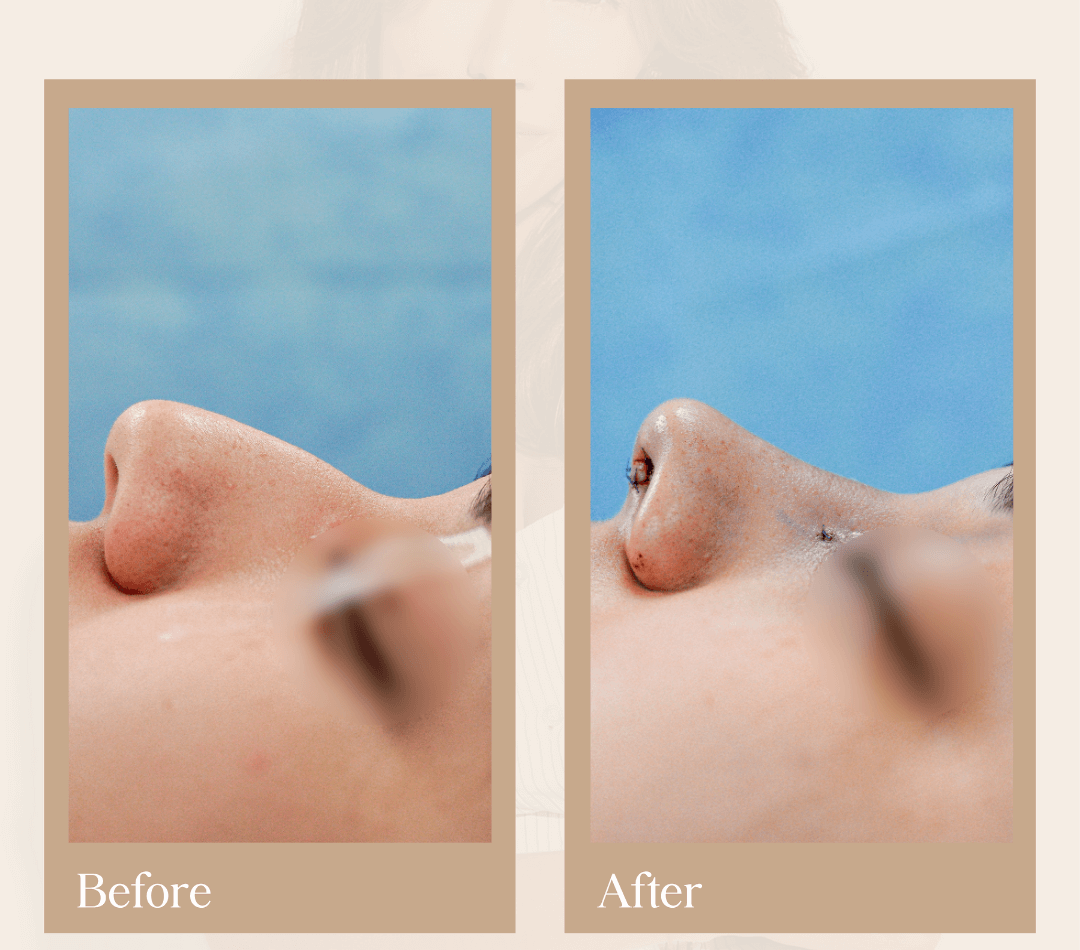
Rhinoplasty rewards patience. Plan the procedure carefully, follow the recovery instructions exactly, and give your nose the months it needs. The result is worth the wait.