
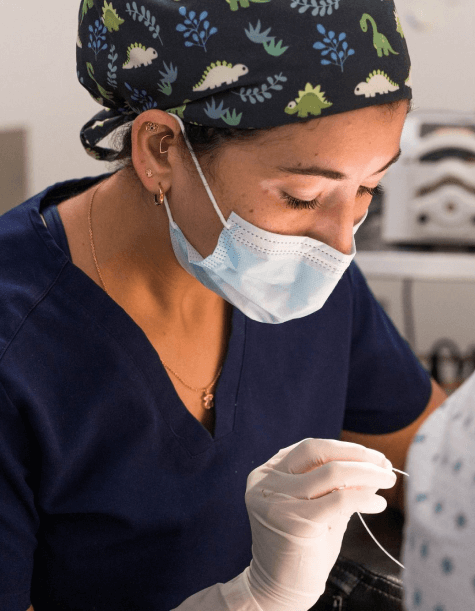
Full-arch implants -- often called All-on-4 -- replace an entire arch of teeth with a fixed bridge supported by four to six implants. For the right patient it is one of the most life-changing dental treatments available, restoring chewing, speech, confidence, and the structure of the face. It is also a careful, multi-stage plan that rewards patience.
- All-on-4 is a structural procedure, not a quick cosmetic fix.
- Most cases involve a temporary fixed bridge first, then a final bridge after healing.
- Imaging, planning, and surgical guidance matter more than marketing language.
- The patients who do best are the patients who follow the maintenance plan.
Who is a candidate
All-on-4 is designed for patients who are missing most or all of the teeth in an arch, or whose remaining teeth are no longer restorable. It is also a strong option for long-term denture wearers who are tired of removable dentures and want a fixed solution that does not click, slip, or alter taste.
A real candidacy review looks at bone, gum health, bite, jaw structure, medical history, and lifestyle. Imaging -- specifically a CBCT scan -- is non-negotiable.
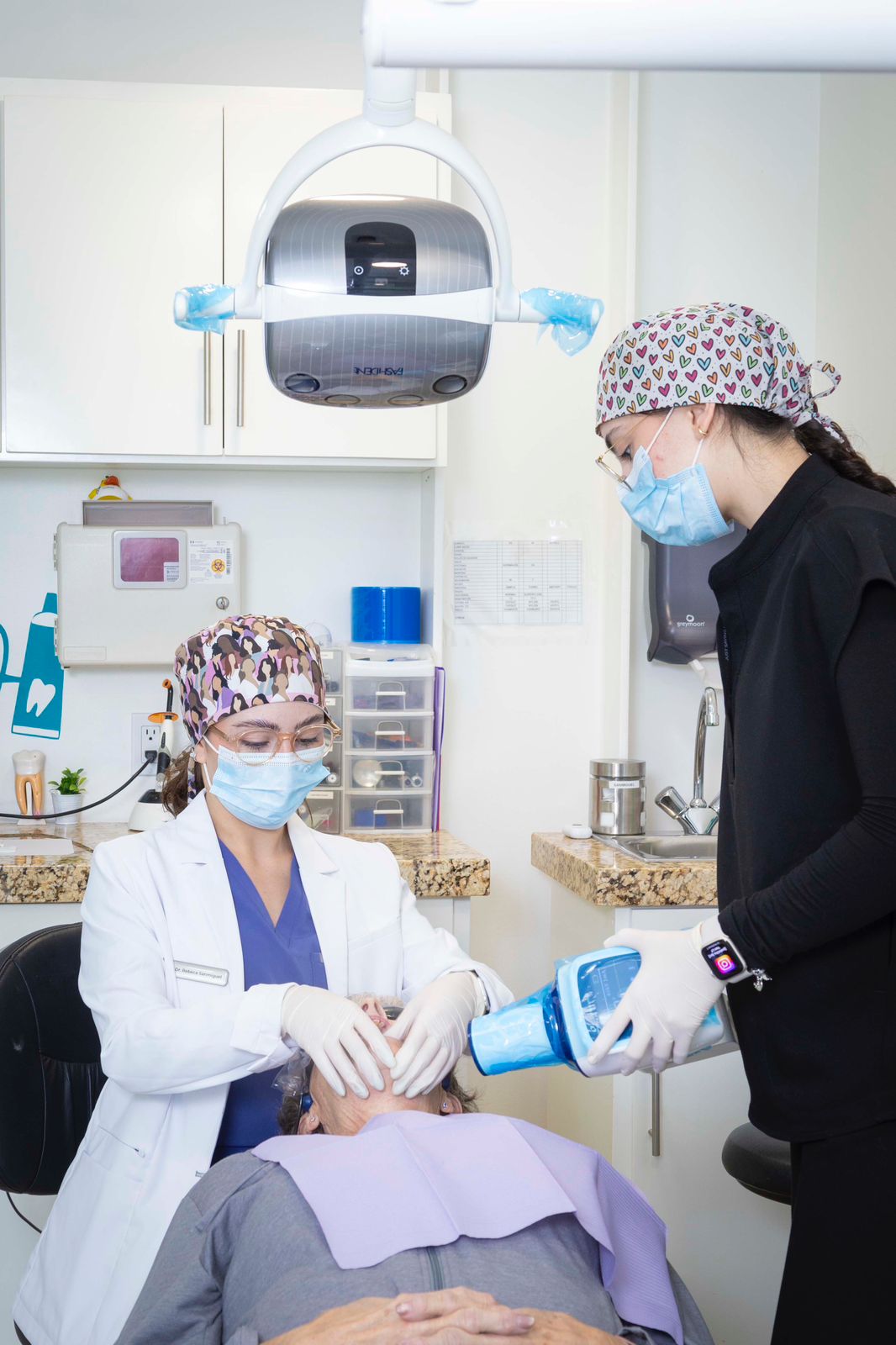
The stages of treatment
- Consultation and planning: photos, X-rays, CBCT scan, models, and a written plan.
- Surgical day: placement of the implants and the temporary fixed bridge in the same visit when possible.
- Healing: several months of integration, where the bone and implants fuse together.
- Final bridge: the permanent prosthesis, refined to match your bite, smile, and speech.
- Maintenance: regular professional cleanings and a structured at-home routine for the rest of the bridge's life.
Travel planning for international patients
Most international All-on-4 cases require two trips: one for placement and the temporary bridge, one for the final prosthesis. A strong program plans both visits in advance, coordinates ground transportation, schedules in-person follow-ups, and stays in contact between trips.
If a clinic offers a final All-on-4 case in a single short visit, ask harder questions about the timeline.
What the result looks like
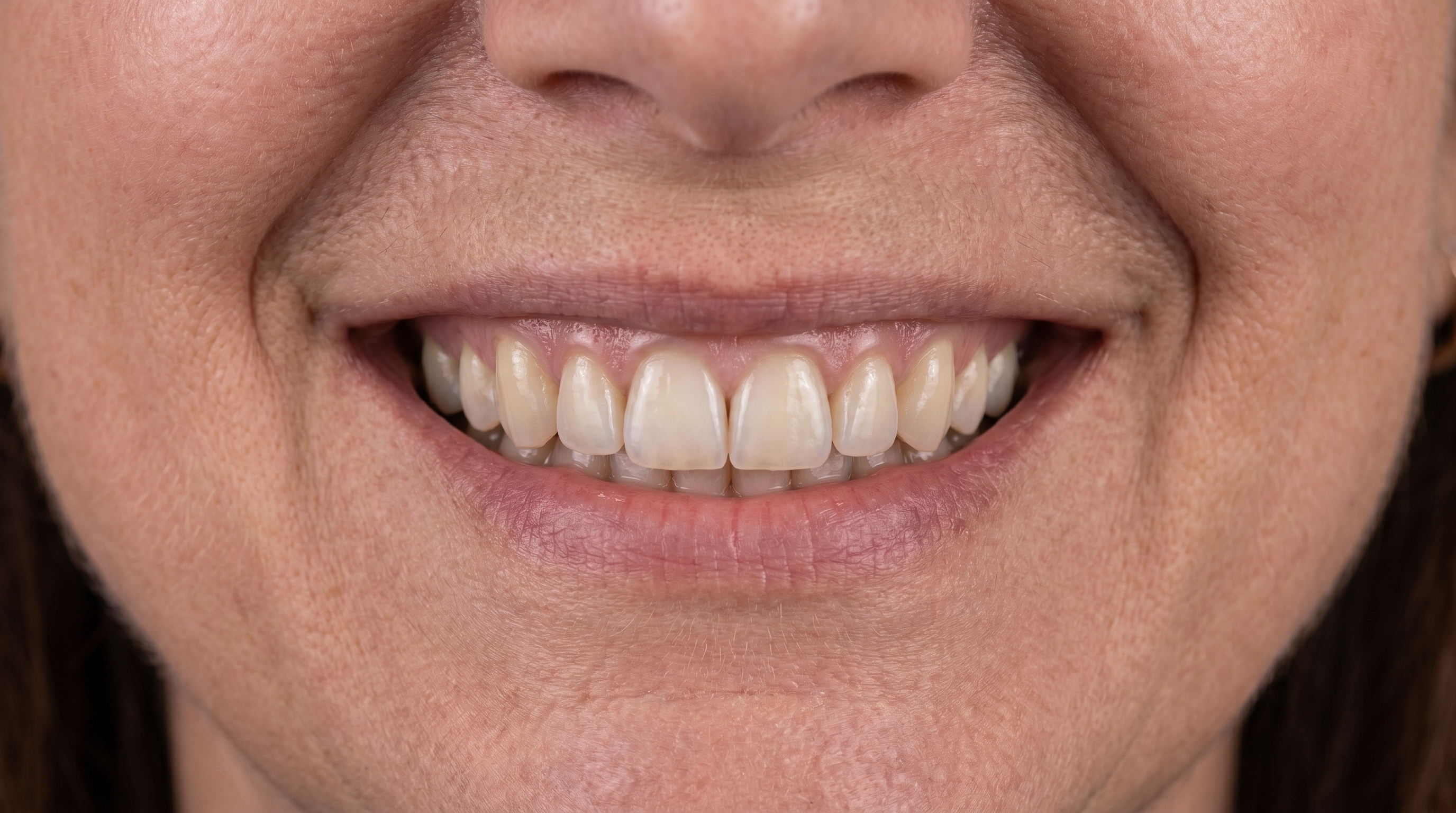
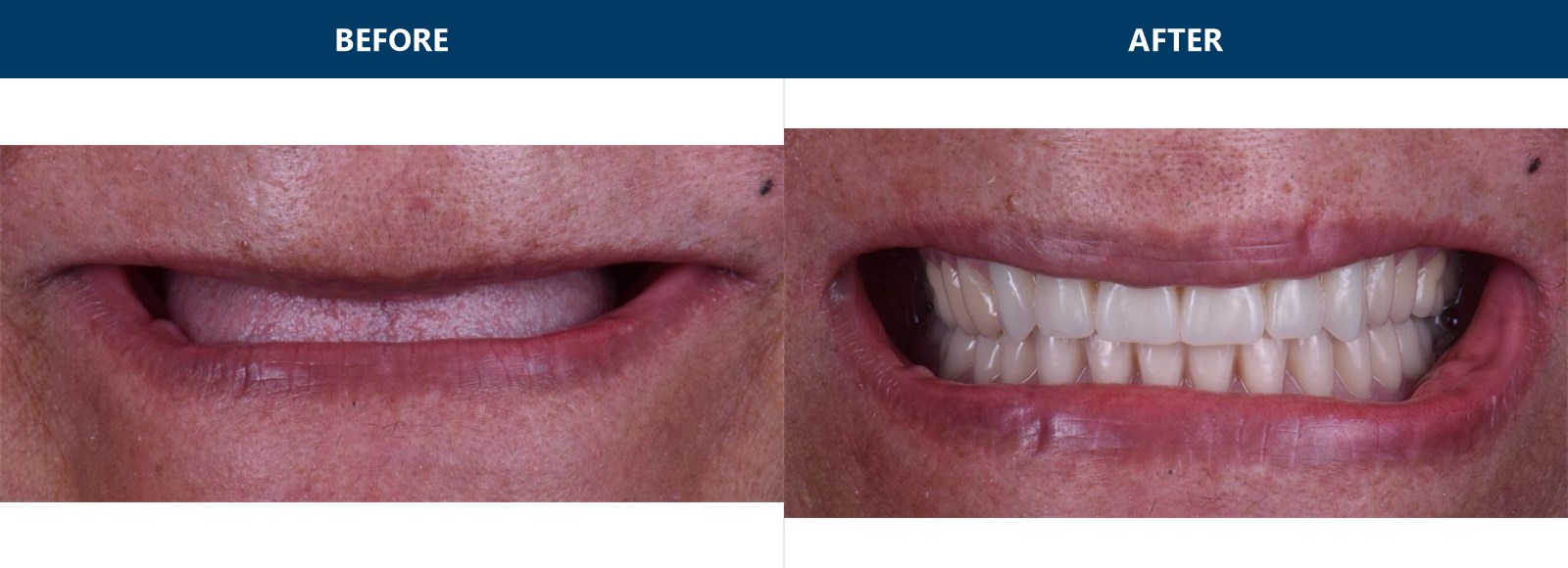
The illustration above is the geometry. The photograph below is the outcome -- the same patient, before and after a full-arch restoration. The before frame shows an edentulous arch (no remaining teeth). The after frame shows function, smile, and chewing capability rebuilt.
Maintenance, longevity, and the patient's part
Full-arch implant cases are designed to last for many years -- decades, when maintained well. The implants themselves are highly stable. The prosthesis on top, the gum tissue, and the bone around the implants need careful upkeep. That means professional cleanings on a regular cadence, a thorough at-home routine, and prompt follow-up if anything feels off.
All-on-4 is one of the most rewarding dental treatments in modern dentistry -- when it is planned carefully, followed up faithfully, and chosen for the right reasons. The day of surgery is a single milestone. The result is the next decade.