
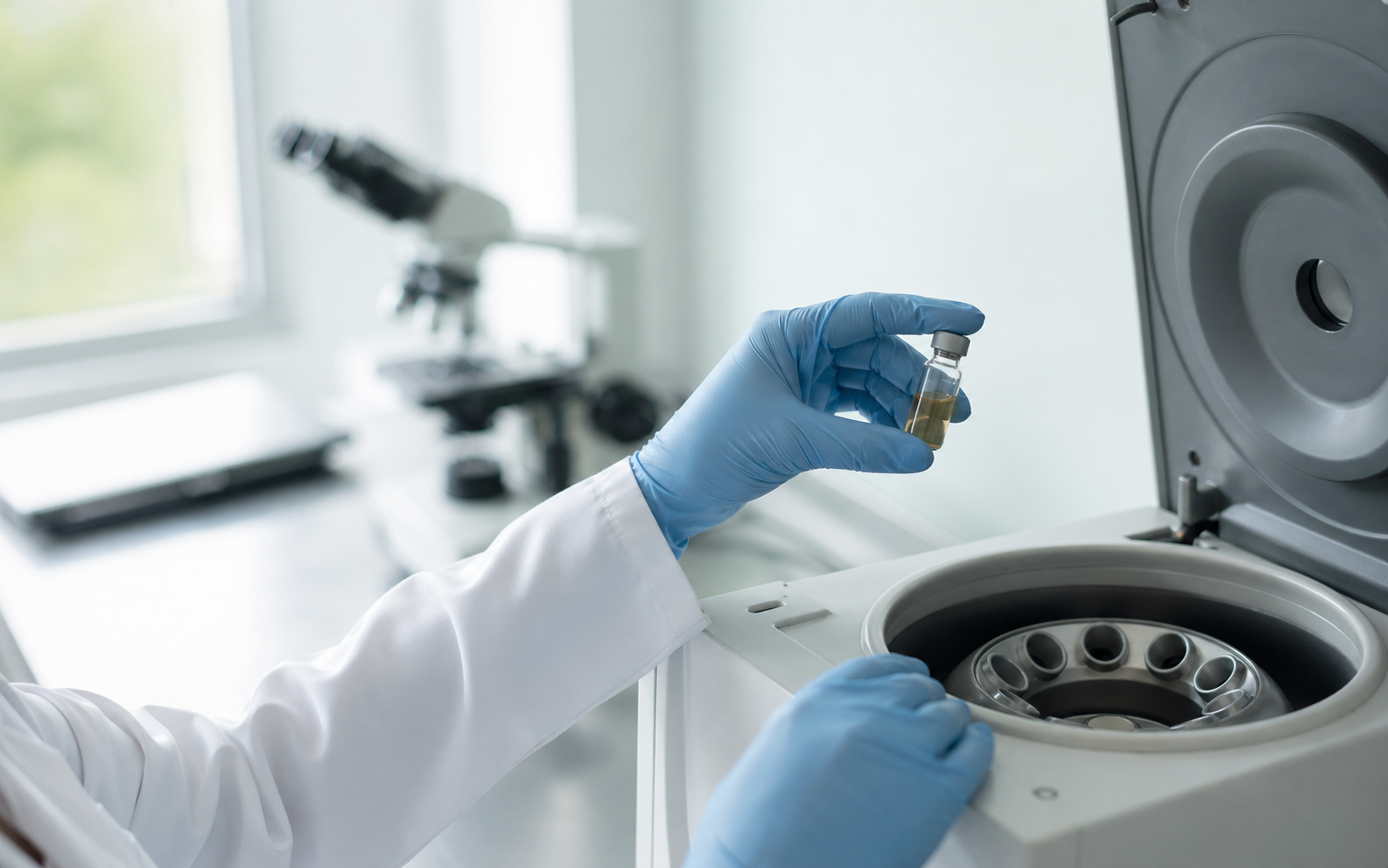
Stem cell therapy is one of the most discussed and least understood treatments in modern medicine. Patients hear extraordinary stories. They also see extraordinary claims. The truth sits in the middle, and the only way to navigate it is to separate the parts of the field that are clinically supported from the parts that are still being studied.
- Stem cells are not a single product -- the source and preparation determine what the therapy can actually do.
- Some applications are well supported by clinical use; others remain experimental.
- Strong programs talk in measurable goals, not promises of cures.
- The right question is not "does it work?" -- it is "what is it for, and what does the data really show?"
What stem cell therapy actually is
Stem cells are unspecialized cells that can divide and develop into more specialized tissue. Different sources -- bone marrow, adipose tissue, umbilical, and others -- produce cells with different properties and different clinical histories. When patients hear "stem cell therapy" in a marketing context, those distinctions are often blurred together.
That blurring is the first thing a thoughtful program will undo. Before you talk about outcomes, you should know what cells are being used, where they came from, how they were prepared, and what the realistic mechanism of action is for your goal.
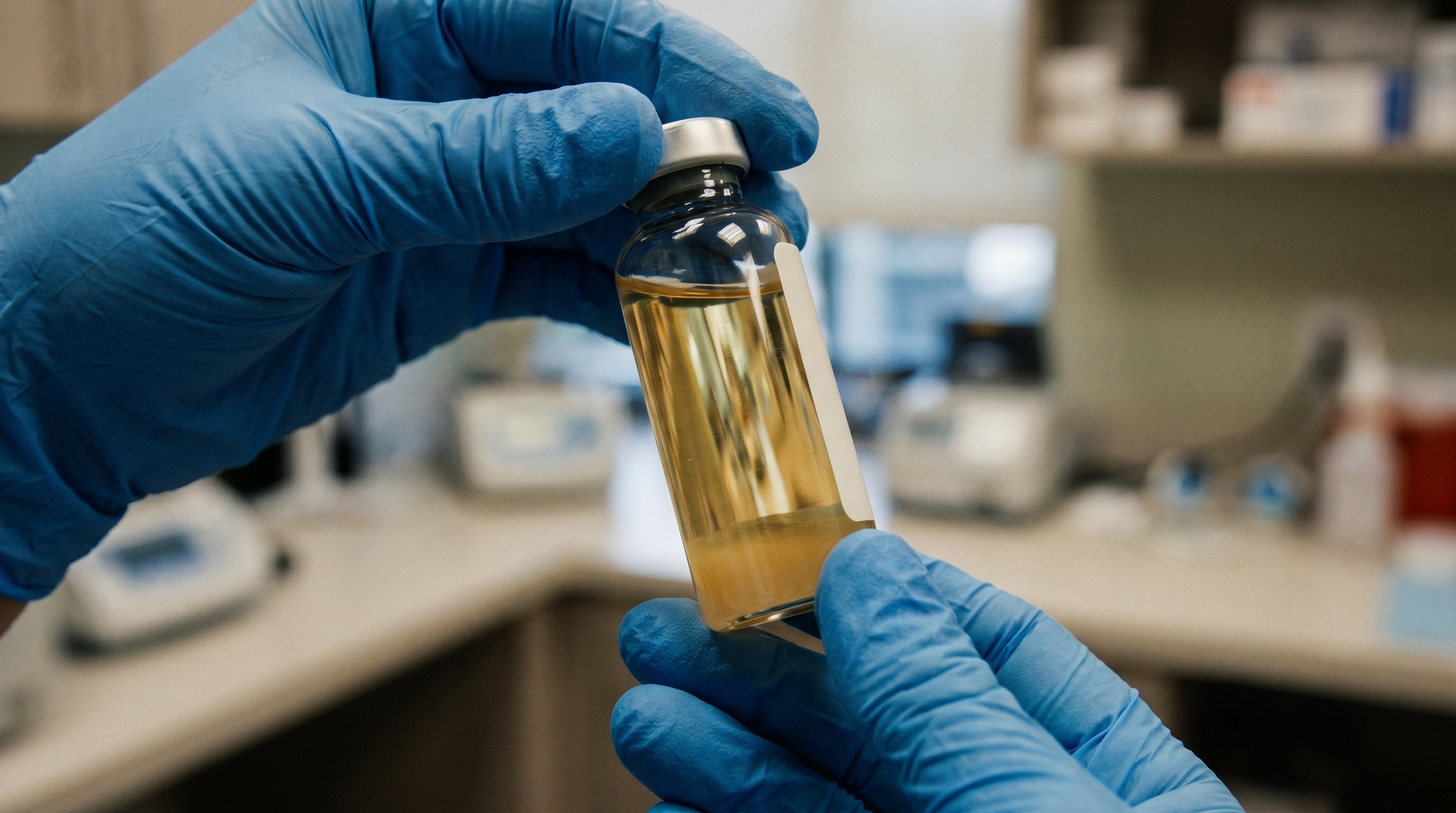
Where the evidence is strongest
Stem cell-based work has decades of clinical history in specific areas, particularly in hematologic conditions where bone marrow transplantation is well established. In musculoskeletal medicine, regenerative work using a patient's own cells is increasingly studied for joint pain, soft-tissue repair, and supportive use after orthopedic procedures, with growing publication trails.
Programs that work in well-supported areas tend to talk in conservative, measurable language: function, pain scores, recovery time, quality of life. They are also comfortable saying what the therapy is not for.
Where the marketing has gotten ahead of the data
The honest answer is that some clinics market stem cell therapy as a treatment for nearly any condition. That is where patients should slow down. Strong programs do not promise cures for conditions where the evidence is not yet there. Strong programs explain what is supported, what is supportive, and what is still experimental.
If a clinic offers the same therapy for a knee, an autoimmune condition, and aging, ask harder questions.
Questions to ask before any regenerative treatment
- What kind of cells are being used and where do they come from?
- What clinical evidence supports this therapy for my specific goal?
- What outcome are we trying to measure, and on what timeline?
- What is the realistic best case, the typical case, and the failure case?
- Who is delivering the therapy, and what is their training?
Stem cell therapy is real medicine, but it is not magic. The right question is never does it work. The right question is what is it for, what does the evidence actually say, and what does success look like for me.