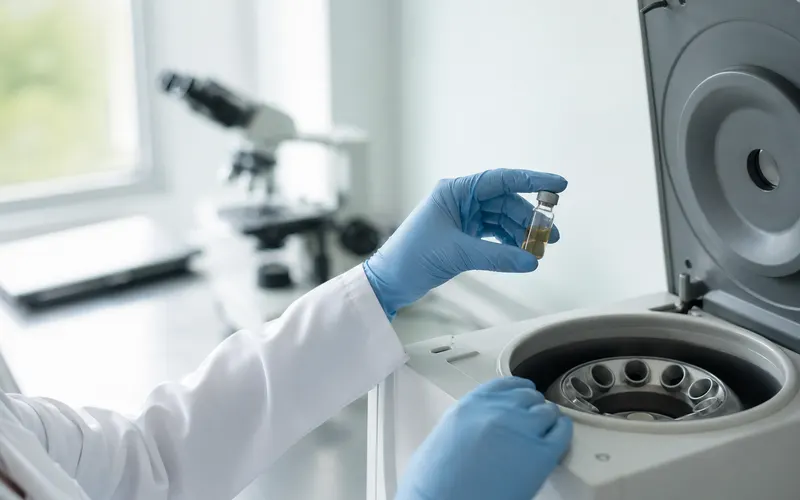
Stem cell therapy in Mexico can be safe when the exact clinic, physician, cell source, route, and follow-up plan are properly vetted. It is not FDA-approved in the US for orthopedic, neurological, wellness, or most other uses. Look for COFEPRIS-licensed facilities, written candidacy review, donor screening, and transparent treatment details.
Patients ask this because the promise sounds appealing, but the safety questions are real. Allure RT MX is a San Diego–based concierge medical tourism agency that coordinates care with board-certified specialists at COFEPRIS-licensed partner facilities in Tijuana, Mexico, about 25–30 minutes from San Diego. The right question is not simply whether Mexico is safe; it is whether the specific stem cell protocol, facility, lab source, and follow-up plan are appropriate for you.
- Stem cell therapy in Mexico is not FDA-approved in the US for orthopedic, neurological, anti-aging, wellness, or most chronic conditions.
- A COFEPRIS-licensed facility is a necessary safety check, but it does not prove that a specific stem cell protocol will work for a specific condition.
- Legitimate clinics should explain the cell source, donor screening, dose, route of administration, candidacy criteria, and follow-up plan before you pay.
- Allure RT MX coordinates same-day Tijuana stem cell visits with private San Diego transport, candidacy review, and a personalized written quote before travel.
Is stem cell therapy in Mexico safe?
Stem cell therapy in Mexico can be safe for selected patients when the facility is licensed, the physician is qualified, the cellular product is traceable, and the treatment plan is medically justified.
The main risk is not the country; it is an unverified clinic making broad promises without showing how the treatment is sourced, prepared, delivered, and followed. The CDC notes that millions of US residents travel abroad for care each year, commonly to Mexico and Canada, and that medical travel can involve risks such as complications and infections. That is why the screening process matters as much as the treatment itself.
For regenerative care, Allure RT MX coordinates care only with board-certified specialists at COFEPRIS-licensed partner facilities. The stem cell therapy program uses mesenchymal stem cells, often called MSCs, from ethically donated umbilical cord tissue. These umbilical cord–derived cells are processed through certified, ISO-compliant labs from regulated tissue banks, with donor screening for infectious disease and medical history.
Even with those safeguards, results vary and evidence is still developing for many conditions. Stem cell therapy is designed to support repair and reduce inflammation; it should not be treated as a cure or a replacement for proven emergency, cancer, neurological, rheumatology, or orthopedic care. A responsible provider should be willing to say no when the risk-benefit balance is not favorable.
A safe stem cell trip starts with documentation, not with a promise.
Is stem cell therapy in Mexico FDA-approved?
No, Mexico-based stem cell therapy for orthopedic, neurological, wellness, autoimmune, and most chronic-condition uses is not FDA-approved in the United States.
The US FDA states that the only FDA-approved stem cell products in the US are blood-forming stem cells from umbilical cord blood for blood disorders. Other stem cell and regenerative products are not FDA-approved for orthopedic, neurological, or other conditions and carry risks. That includes many treatments marketed for arthritis, back pain, neuropathy, Parkinson’s support, MS support, anti-aging, immune support, or general wellness.
That does not automatically mean every Mexico clinic is illegitimate. It means US regulatory approval and Mexican facility authorization are different questions. COFEPRIS is Mexico’s federal health regulator, and COFEPRIS regulates and licenses health facilities, medicines, and medical products. A COFEPRIS-licensed facility may legally operate in Mexico, while the same therapy may still be considered investigational in the US.
Patients should be cautious when a clinic uses phrases like approved stem cells without explaining what is approved, by whom, for which condition, and under what protocol. The ISSCR’s patient education materials emphasize understanding the difference between approved treatments, unproven interventions, and clinical trials. If a clinic says the treatment is guaranteed, risk-free, or a cure, that is a reason to pause.
| What to check | Safer sign | Red flag |
|---|---|---|
| Regulatory status | COFEPRIS-licensed medical facility with matching legal name and address | Only a marketing claim such as “approved clinic” with no documentation |
| Cell source | Clear explanation of MSCs, donor screening, tissue bank, and lab processing | No answer about where the cells come from or how donors are screened |
| Treatment rationale | Specific dose, route, and reason for IV vs targeted injection | Same protocol sold for every condition |
| Candidacy review | Records, labs, imaging, medications, and contraindications reviewed before travel | Payment requested before medical review |
| Claims made | Realistic language: may help, designed to support, results vary | Promises of cures, guaranteed results, or no risk |
| Aftercare | Written discharge instructions, coordinator contact, and US follow-up planning | No plan for complications after you return home |
How do I know if a stem cell clinic in Mexico is legit?
A legitimate stem cell clinic should be able to document its licensing, physician credentials, cell source, treatment plan, and follow-up process before you commit.
Start with the legal basics. Ask for the clinic’s legal name, address, COFEPRIS licensing status, medical director, and the specialist who will evaluate and treat you. A marketing name is not enough. The name on the quote, consent form, facility paperwork, and licensing documentation should align. You should also know whether your treatment is being performed in a licensed medical facility, not a hotel room, spa, or rented office.
Next, ask about the cells. For MSC therapy, you should be told whether the product is autologous, meaning from your own body, or donor-derived. Allure RT MX’s coordinated stem cell protocols use donor umbilical cord–derived MSCs from Wharton’s Jelly. The consultation should explain donor screening, lab processing, fresh versus cryopreserved use when relevant, and how dosing is selected for your case.
Finally, ask about the route. IV therapy is systemic, while a targeted injection is aimed at a joint, tendon, disc region, scalp, or other specific area. A clinic should explain why IV vs targeted injection is being recommended, what imaging or labs were reviewed, what alternatives exist, and what symptoms should trigger urgent medical attention. For a broader vetting framework, read questions to ask before any medical tourism trip.
How to choose a stem cell clinic in Mexico
Use this sequence before you pay, book travel, or stop any current medical care.
- Confirm the clinic’s legal name, address, COFEPRIS licensing status, and the physician responsible for your care.
- Ask whether the cells are autologous or donor-derived, and request a plain-language explanation of donor screening and lab processing.
- Get the diagnosis-specific rationale for the cell type, dose, and route, including why IV or targeted injection is being recommended.
- Complete a candidacy review using your medical history, medications, labs, imaging, and current specialist notes.
- Review the written consent forms, risks, expected limitations, and red-flag symptoms before paying a deposit.
- Request a personalized written quote and trip plan before booking travel to Mexico.
- Make sure you leave with discharge instructions and a follow-up plan your US clinician can understand.
What should I check before I pay a deposit?
Before paying a deposit, make sure you have a written treatment plan, a personalized quote, clear consent documents, and a follow-up plan you can use after returning home.
Stem cell pricing should not be vague, verbal, or rushed. Allure RT MX does not publish a flat stem cell price because protocols are personalized by condition, route, dose, labs, imaging, and candidacy review. The written quote comes after the free consultation and any required lab review, before travel is booked. Financing is available through a third-party lender network; the application takes about 5 minutes, uses a soft credit pull, and offers rates from 5.99% APR on approved credit. Stem cell therapy is generally not insurance-covered.
Your paperwork should describe the intended therapy, route, expected visit length, facility, physician oversight, major risks, activity limits, and aftercare instructions. Ask whether you will receive a discharge summary for your US clinician and who to contact if you develop fever, increasing pain, swelling, neurological symptoms, shortness of breath, or other concerning changes.
For Allure RT MX patients, stem cell visits are same-day: private pickup in San Diego, treatment at a COFEPRIS-licensed partner facility in Tijuana, and return the same day. The process includes consultation, diagnostic review, lab-grade cellular product, board-certified physician execution, private transport, and US-side follow-up calls. See how the concierge model works in this medical tourism concierge guide.
Who is a good candidate for stem cell therapy in Mexico?
A good candidate is someone whose diagnosis, records, labs, imaging, medications, and goals support a reasonable regenerative treatment plan.
Stem cell therapy is not one-size-fits-all. Allure RT MX coordinates condition-led protocols for orthopedic and musculoskeletal concerns, neurological support, autoimmune and inflammatory conditions, chronic pain, wellness, cardiovascular and circulatory support, pulmonary and respiratory support, diabetes-related concerns, hair restoration, sexual wellness, and immune therapy support. These protocols are designed to support tissue repair and inflammation control, not to guarantee reversal of disease.
The candidacy review may include medical history, imaging, lab work, diagnosis details, current medications, prior procedures, and treatment goals. Patients should disclose cancer history, autoimmune status, active infection, immune suppression, pregnancy, anticoagulant use, diabetes control, and any sedating-procedure concerns. If you take GLP-1 medications such as semaglutide or tirzepatide, disclose that before any procedure involving sedation or anesthesia review.
A serious clinic should also be willing to tell you when not to proceed. About 1 in 5 stem cell intake submissions to Allure RT MX ends with the applicant being told they are not a strong candidate, at no cost. That may happen because the diagnosis is unclear, the expected benefit is too uncertain, the medical risk is too high, or a different type of specialist evaluation should come first. For a plain-language science overview, see Stem Cell Therapy: What the Science Actually Says.
Is Tijuana safe for a stem cell treatment trip?
Tijuana can be a practical destination for stem cell therapy when the trip is organized around verified medical facilities, private transport, and a clear aftercare plan.
Allure RT MX coordinates stem cell care in Tijuana, roughly 25–30 minutes from San Diego depending on border timing. Same-day regenerative visits are designed to reduce logistical strain: pickup in San Diego or at the airport, border assistance, treatment at the licensed partner facility, and return the same day. No multi-day hotel stay is usually required for stem cell or IV therapy.
Medical-travel safety still requires planning. The CDC advises medical travelers to plan follow-up care at home and consider what their health insurance may or may not cover if complications occur. Before crossing the border, identify the US clinician who knows your baseline condition, bring medication lists and recent records, and understand what symptoms should lead to urgent evaluation.
Allure RT MX patients keep a US-side coordinator number for 24/7 contact, with structured telehealth follow-up. If a complication occurs after returning home, Allure RT MX coordinates the path forward on both sides of the border, including a network of US specialists who can see patients locally when needed. For travel details, documents, and border timing, read the San Diego to Tijuana clinic travel guide and the broader Tijuana medical tourism guide.
Frequently asked questions
Are stem cell treatments legal in Mexico?
Some stem cell protocols may be offered legally in Mexico through properly licensed facilities, but legality is not the same as proven effectiveness. COFEPRIS is Mexico’s federal health regulator and licenses health facilities, medicines, and medical products. You still need to verify the specific clinic, cell source, physician oversight, indication, route, and follow-up plan.
What does COFEPRIS mean for stem cell therapy?
COFEPRIS licensing means the facility operates under Mexico’s health regulatory system, but it does not prove that a specific stem cell treatment will work for your condition. Ask for the clinic’s legal name, address, licensing details, medical director, and written protocol. A vague “COFEPRIS approved” statement is not enough.
Where do Allure RT MX stem cells come from?
Allure RT MX coordinated protocols use mesenchymal stem cells from ethically donated umbilical cord tissue, also called Wharton’s Jelly. Donor mothers are screened for infectious disease and medical history, and the cells are processed through certified, ISO-compliant labs from regulated tissue banks. Your consultation should explain source, dosing, and route.
Can stem cells in Mexico cure arthritis, MS, neuropathy, or aging?
No responsible clinic should claim that stem cell therapy cures arthritis, MS, neuropathy, aging, or chronic disease. These protocols may help support tissue repair, inflammation control, or recovery goals in selected patients, but evidence is still developing and results vary. Candidacy review is essential before travel or payment.
What if I have problems after I return to the US?
You should have a written plan before you leave Mexico. Allure RT MX provides a US-side coordinator number for 24/7 contact, structured telehealth follow-up, and coordination with US specialists when local evaluation is needed. Seek urgent care promptly for fever, worsening pain, swelling, neurological changes, breathing issues, or other serious symptoms.
Stem cell therapy in Mexico is not automatically safe or unsafe. The safest path is to verify the facility, physician, COFEPRIS status, cell source, donor screening, route, candidacy criteria, and follow-up plan before you pay. Allure RT MX coordinates same-day Tijuana stem cell care with board-certified specialists at COFEPRIS-licensed partner facilities, but every patient still needs an individualized review and written quote before travel.
Financing is available on all procedures through a third-party lender network: apply in about 5 minutes, and checking your options won't affect your credit score. See financing options.
Sources and further reading
- Medical Tourism: Travel to Another Country for Medical Care — CDC
- Comisión Federal para la Protección contra Riesgos Sanitarios — COFEPRIS (Mexico's federal health regulator)
- Important Patient and Consumer Information About Regenerative Medicine Therapies — US FDA
- A Closer Look at Stem Cells — ISSCR (International Society for Stem Cell Research)